Should I Train When I'm Sick?
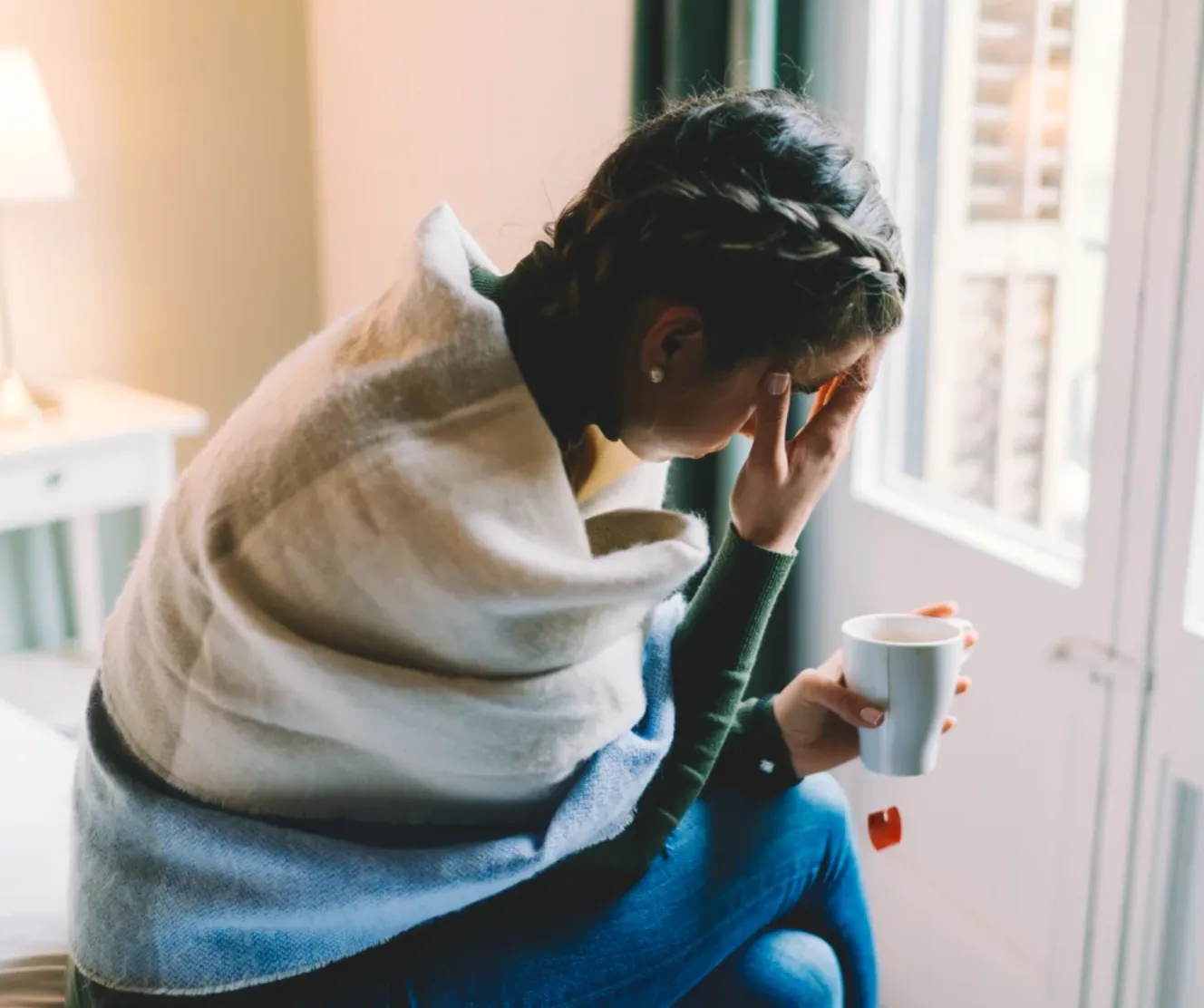
When done correctly with ample time for rest and recovery, regular physical activity enhances overall health. It boosts the immune system, alleviates chronic pain, and has significant benefits for mental health, including reducing anxiety, chronic stress, and depression.
Exercise is undoubtedly beneficial as a preventive measure. But what should you do when you're unwell? Should you push through despite symptoms of illness or injury, or is it wiser to rest completely? If you do rest, should you make changes to your nutrition?
These are common questions, so today's blog is all about exercising and dieting (or not!) when you're feeling under the weather.
Spoiler alert: there's no one-size-fits-all answer. Always assess your situation carefully and seek advice from your healthcare provider. However, the tips below can help guide you in the right direction and prepare you for common scenarios.
Tip #1: Don’t Get Frustrated
Try not to get upset if you catch a virus just as you start a new program, or if an old injury flares up. Life happens, and by recovering properly, you'll get back on track. Stressing about it won't help; it can actually slow down your healing process.
When you do return to the gym, don't aim for personal bests in your first session back. Here are Coach Claire’s top tips for your first session back:
-
🧘♀️ Extra-long warmup
-
🏋️♀️ Decrease weight selection
-
😴 Take longer rest periods
-
💦 Hydrate
-
🥰 Be kind to yourself
Tip #2: Listen to Your Healthcare Team
If your health professional prescribes rest, adhere to their recommendation. If you feel "well enough," ask about alternatives to your usual exercise routine. For example, if an injury prevents heavy lifting, you might still be able to go for walks or do light exercise. Always ask—never assume. Your health is a vital asset, and it's not worth risking it.
Tip #3: “Above the Neck” Rule
Many experts agree that if you're only experiencing "above the neck" symptoms (like a mild sore throat, nasal congestion, tearing eyes, sneezing, or a mild headache), you may be able to exercise. This is known as the “above the neck” rule or a “neck check.”
If the "neck check" works, consider a home workout to avoid spreading germs. It's still best to get clearance from your doctor and reduce exercise intensity. For example, substitute an intense HIIT session with a light walk, or opt for restorative workouts like yoga or Pilates.
Remember, you don’t have to exercise even if all your symptoms are "above the neck." Resting is always an option, and many health practitioners recommend it for short-term illnesses.
Tip #4: DO NOT Exercise with These Symptoms
Avoid exercising if you have the following symptoms, as it may prolong your recovery or cause complications:
-
Fever (body temperature above 98.6°F/37°C)
-
Persistent cough
-
Gastrointestinal symptoms like diarrhea and vomiting
-
The flu, even without a fever
-
Any injury aggravated by certain physical activities
If you experience any of these, stop exercising and consult a doctor.
Tip #5: Prioritize Nutrition
You might not have control over your exercise regime, but you can make conscious nutrition choices. Often, people ask if they should decrease calorie intake when sick. In most cases, the answer is NO! Here are some factors to consider:
-
Your body needs extra energy for recovery, and reducing your intake, especially if you're already in a calorie deficit, is generally not advisable for a short-term illness.
-
If you're in a calorie surplus, it usually makes sense to stick to your routine rather than switching back and forth. This maintains consistent habits and minimizes disruptions.
-
If you're in a calorie surplus and unable to exercise long-term, reduce your intake gradually to avoid fat gain. Adjust in small increments (50-100 kcal) every couple of weeks if needed.
If you lose your appetite due to sickness, don’t force-feed yourself, but try to meet your protein target. Protein is crucial for recovery. Focus on nutritious foods and allow yourself some treats to boost your mood.
Conclusion
Follow these tips and take the time you need to fully recover. You’ll be back at it soon! Use this time to reflect and set bigger, better goals for the future. You'll be more motivated than ever when you're ready to return to your routine.
Wishing you a speedy recovery!