Is Sleep the Missing Key in Your Fat Loss Journey
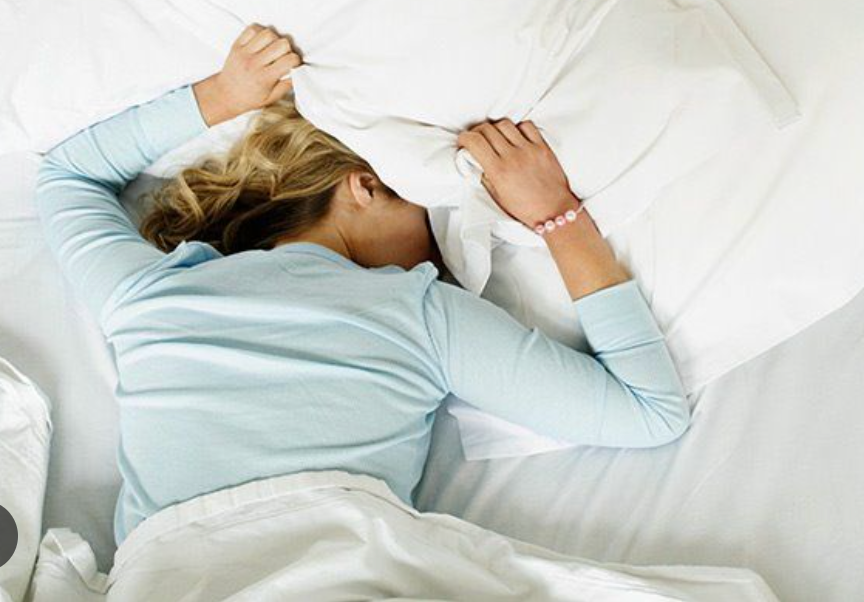
If you're putting in the effort at the gym and staying diligent with your nutrition but not seeing the fat loss results you desire, consistent quality sleep might be the missing piece of the puzzle.
Sleep plays a critical role in overall health, influencing both physical and mental well-being. Claire Young, Founder of H.E.A.T, shares her insights on how vital sleep is for health and fitness.
“For the last few months, I've experienced broken sleep, waking up 5-8 times a night. It's detrimental. Sleep is often underrated in fat loss, yet sleep deprivation can severely hinder your results. By making some adjustments, I've significantly improved my sleep patterns.”
We partnered with Claire to explore how you can enhance your sleep quality to boost your fat loss journey and overall health.
The Overlooked Importance of Sleep in Fat Loss
Information on fat loss typically emphasizes nutrition and exercise, but sleep quality is equally crucial. Research indicates that reducing sleep from 7-8 hours to just 5-6 hours nightly can impair fat loss within two weeks. Lack of sleep can slow down fat loss and increase the risk of muscle loss, despite proper training and diet.
Ever felt ravenous after a poor night's sleep? Sleep deprivation disrupts the hormones regulating appetite, often leading to overeating and potential weight gain.
Don’t worry if you’ve had a few restless nights. There are several strategies to improve your sleep and get back on track.
Tips for Improving Sleep Quality
1. Mind Your Caffeine Intake
Caffeine helps us stay alert but can disrupt sleep. It's essential to monitor your intake. Healthy adults should limit caffeine to 400mg per day and 200mg per serving. This includes all sources: coffee, tea, soft drinks, and even chocolate.
Claire found that altering her caffeine habits greatly improved her sleep.
“Switching my morning coffee to tea made a huge difference! Tea has less caffeine than coffee. I've been enjoying T2 Morning Sunshine tea and decaf coffee later in the day.”
2. Moderate Evening Fluid Intake
Frequent nighttime bathroom trips can disrupt sleep. While hydration is important, try to consume most fluids earlier in the day.
Claire drinks most of her 3L daily water intake before 4 PM, with just a cup of tea in the evening.
3. Assess Your Eating Habits
Late-night eating can affect some people’s sleep quality due to discomfort or indigestion. It’s often recommended to have your last meal 3 hours before bedtime. However, if you prefer a late snack, avoid caffeine-containing foods like chocolate.
4. Check Your Vitamin D Levels
Vitamin D, produced from sun exposure, is crucial for bone health and sleep regulation. Deficiency can lead to poor sleep quality. Ensure you get enough sunlight and consult a doctor if you suspect a deficiency.
5. Limit Screen Time
Excessive phone or TV use before bed can disrupt sleep. Bright screens interfere with melatonin, the sleep hormone. Establish a technology-free bedtime routine with minimal lighting to help you unwind.
6. Create a Bedtime Routine
A bedtime routine of activities performed 30-60 minutes before sleep helps signal to your brain that it’s time to wind down. Claire suggests drinking a calming tea like T2 The Dreamer and sometimes taking a Valerian supplement to ease stress.
7. Track Your Sleep
Use a sleep tracker, like the feature in the H.E.A.T App, to monitor your sleep. Aim for 7-8 hours of sleep per night for optimal health.
Conclusion
Quality sleep is essential for a successful fat loss journey, just as vital as training and nutrition. Implement these tips to improve your sleep and achieve your fitness goals.