Flexible Dieting 101
Starting a health and fitness journey can be intimidating, especially when it comes to nutrition. It's natural to feel overwhelmed by the constant need to think about what you're eating, especially with so much conflicting information available. But don't worry, we're here to help you navigate this path.
At the core of effective nutrition is sustainability, and we love guiding our clients toward sustainable practices. One approach we highly recommend is flexible dieting, which has proven to be effective in the long term.
Have you tried tracking your intake before? Are you curious about flexible dieting but unsure how to incorporate it into your routine? Or are you seeking a long-term nutritional strategy that doesn't feel restrictive? Keep reading to learn more about flexible dieting and why we love it!
What is flexible dieting?
Flexible dieting is a nutritional strategy that emphasizes variety and adaptability, making it a sustainable long-term lifestyle rather than a traditional diet. It allows you to include all kinds of foods in your meals while staying aligned with your goals.
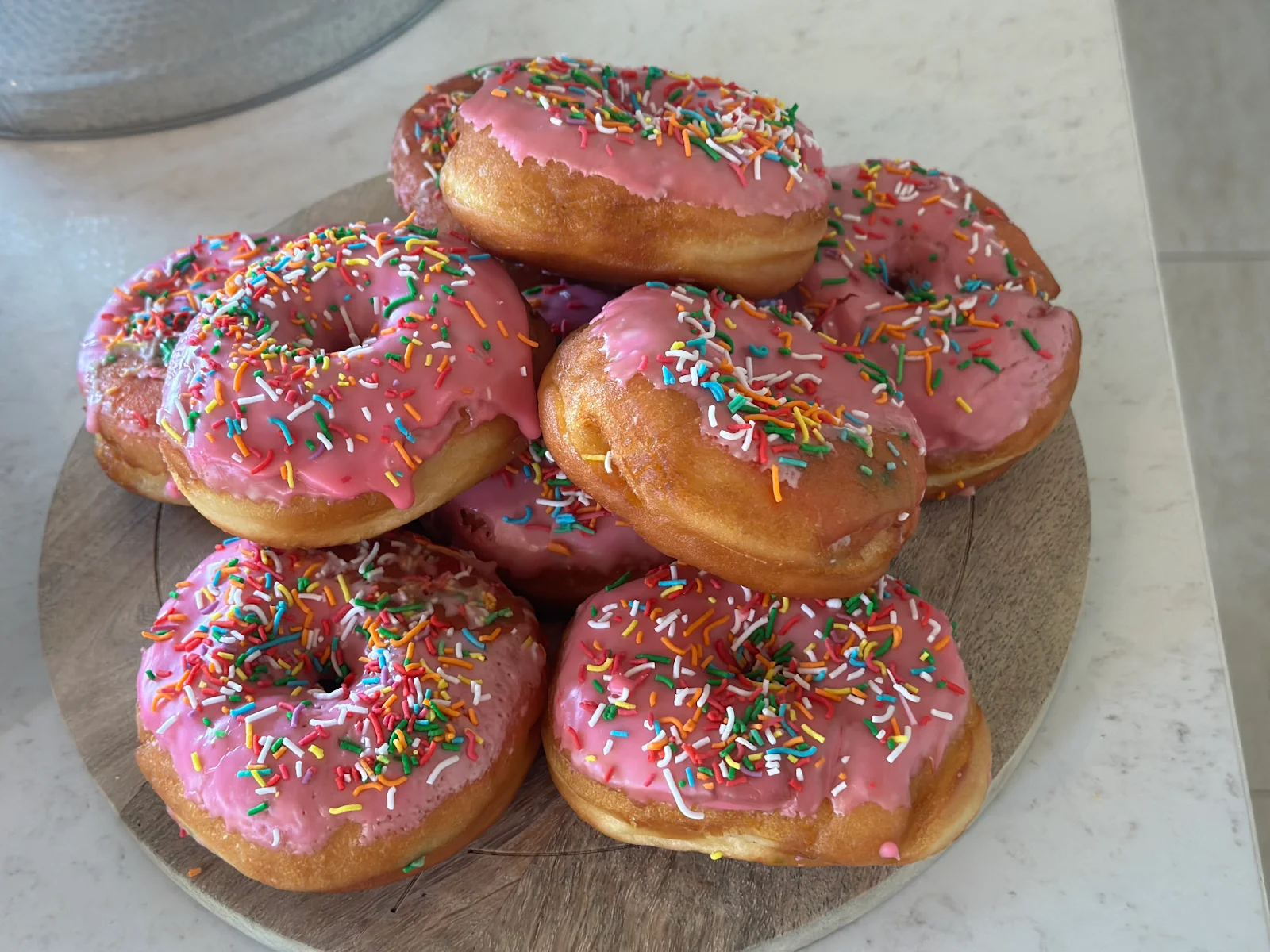
To clarify, while you technically could hit your macros by eating only chocolate, ice cream, and pizza, it doesn't mean you should. The idea is to allow room for these treats while primarily consuming nutritious, filling, and satisfying foods.

Why flexible dieting?
The primary benefit of flexible dieting is its sustainability. It has helped many of our clients achieve and maintain their goals. Additionally, it's incredibly useful for those aiming to gain lean muscle. Building muscle requires a calorie surplus, which can sometimes feel uncomfortable due to the volume of food. Flexible dieting helps incorporate higher-calorie options without the need for excessive food volume, making it easier to stay on track and enjoy calorie-dense foods in moderation.

Implementing flexible dieting
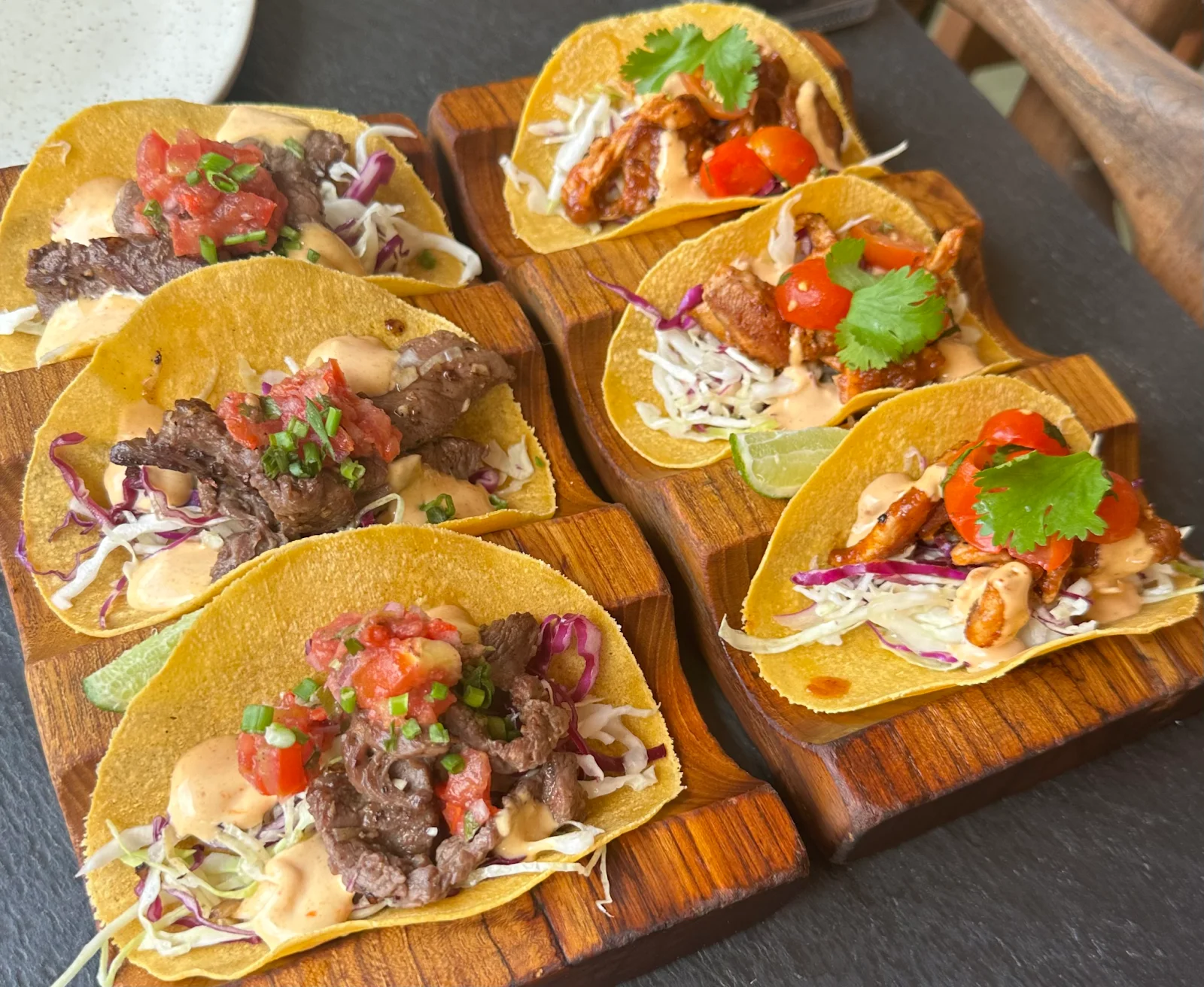
At Move With Us, we avoid labeling foods as "good" or "bad." Instead, we advocate for an 80/20 approach: 80% whole, nutrient-dense foods, and 20% "soul" foods. This means you can enjoy your favorite treats daily while ensuring the majority of your diet is based on nutritious choices.
Flexible dieting helps break away from the restrictive "clean eating" mindset, allowing you to enjoy your favorite foods without guilt. Your diet can be enjoyable and varied while still being effective and sustainable.
What about micronutrients?
A common concern with flexible dieting is the potential lack of vitamins, minerals, and fiber due to the inclusion of calorie-dense processed foods. However, if you maintain an 80% focus on whole, nutrient-dense foods, you're unlikely to face micronutrient deficiencies.
There's no need to rush to the supplement store. Supplements are only necessary if you're deficient or unable to absorb specific micronutrients, which should be confirmed by a medical professional. Consuming predominantly whole foods also ensures adequate fiber intake, which is crucial for digestion and gut health. Aim for 25-30g of fiber per day, though you might consume slightly less when in a calorie deficit.
Tracking tips
We recommend tracking your food intake using the Meal Guides tab of the Move With Us App. However, you can also use other apps like MyFitnessPal or Easy Diet Diary. These apps help you track calories and macros, which is essential for starting your flexible dieting journey.
A common question is, "What if I go over or under my calories or macros?" Ideally, hitting your macros should align with your calorie target since macronutrients contain specific calorie values. However, discrepancies can occur due to rounding, incorrect entries, and other factors. Use the following guidelines for consistency:
-
Calories: Stay within ±50-100 calories of your target.
-
Protein & Carbs: Stay within ±10g of your target.
-
Fats: Stay within ±5g of your target.
Choose whether to focus on hitting your calories or macros precisely to maintain consistency.
Conclusion
A balanced diet that includes 80% whole foods and 20% soul foods is a sustainable nutritional approach. Sustainability is crucial for the success of your health and fitness journey, and flexible dieting can help you achieve that balance. We highly recommend giving flexible dieting a try.
Start your journey with H.E.A.T and Claire today!
Written by the H.E.A.T Team