5 Reasons Why We Love Carbs and So Should You

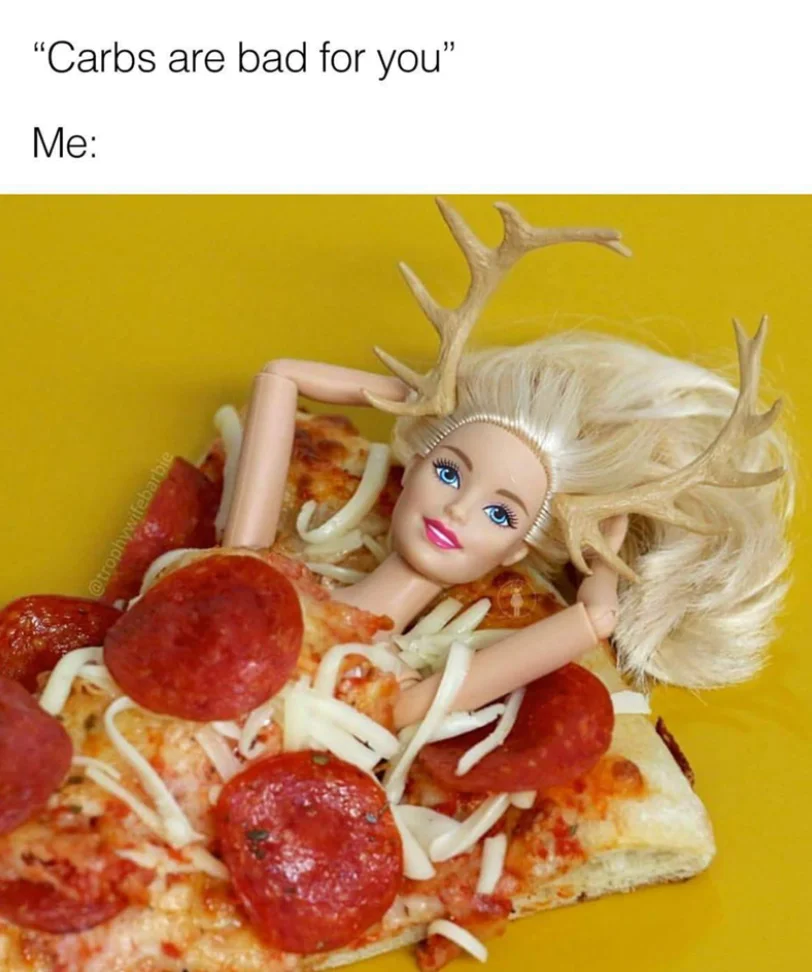
Carbohydrates have gotten a bad reputation in the world of fad dieting, with the common misconception that "eating carbs will make you gain weight." The good news is that you don't need to break up your love affair with bread and pasta if you're working towards your fitness goals. The truth is that we need carbs for a number of important health functions, and eating too few carbohydrates can backfire and negatively affect both your general well-being and your exercise performance.
Our Nutrition Experts are here to bust the myth and explain why our bodies love carbs.
1) Carbs Boost Your Energy Levels
Carbohydrates are the preferred source of energy for your body. In the absence of carbs, the body wouldn’t just use the fat storages – it would also start tapping into your protein reserves, which potentially means losing lean muscle mass. This can slow down your metabolism and make you feel lethargic and sluggish.
Carbs are also a great source of B vitamins, which are essential for energy release.
2) Your Brain Loves Carbs
Carbohydrates are the brain’s main source of energy and assist with cognitive functioning. Cutting them out of your diet can make it difficult to concentrate and can leave you feeling foggy. In more extreme cases of severely restricting your carb intake, this can cause more severe consequences such as impaired memory. From personal life to work, these are definitely not side effects anyone wants to deal with.
3) Carbs Fuel Your Muscles
Your muscles heavily rely on carbohydrates as easily accessible fuel when you exercise. Cutting carbs from your diet means there's less energy production for exercise, which will ultimately affect your performance and slow down your progress.
4) They're Key for Healthy Bowels
Carbs are a source of fiber, which is integral to your digestive functions and maintaining good bowel health. Foods that are high in fiber will also help you feel satisfied and fuller for longer between meals.
5) Carbs Can Help Us Feel Good
Consuming nutritious sources of carbs can boost our mood in more ways than one. Firstly, having a healthy gut microflora is essential for producing feel-good hormones and stabilizing our mood. Did you know that up to 95% of the regulating hormone serotonin is produced in the gut by beneficial bacteria? Fiber-rich carb-based foods help support the healthy microflora, thereby supporting this process.
Another way consuming carbohydrates may help us feel good is by combining them with protein-rich foods. This may boost the amount of tryptophan in your brain – which is then converted into serotonin.
However, remember – carbohydrates alone will not save the day, and it's still very important to get enough sleep, keep your stress levels at bay, and practice self-care to feel amazing daily.
'Good vs Bad' Carbs?
It's true that not all carbs are the same! Carbs can be classified as 'simple' or 'complex':
Simple Carbs: Often referred to as sugars, simple carbs are made up of shorter chains of molecules that are super easy for us to digest. This means that although these do provide quick, accessible energy (great after a tough workout), we may feel hungry quicker after eating these. There is no need to avoid simple carbs entirely – but it is important to consume them strategically and not rely on them as a long-term source of fuel. Simple carbs often get a bad rap as they are often abundant in highly processed foods which are not overly nutritious, such as candies and sodas. However, they are also naturally present in whole fruits, milk, and other foods rich in micro- and macronutrients – so sugars as such are most certainly not the enemy!
Complex Carbs: These consist of longer chains of molecules, meaning they take longer to digest and therefore can help us feel satisfied for longer. They are plentiful in beans, whole grains, vegetables, and many other nutritious foods. However, many not-so-nutritious foods also contain complex carbs – so just like with simple carbs, it's important to not judge any food by just this one factor.
In short, these differences don't mean that we should label carbs as "good" or "bad" or completely exclude a certain type of carbs from our diet. We are big advocates of the flexible dieting approach, enabling you to enjoy all your favorite foods while staying on track with your goals.

What About Eating Carbs After Dark?
Another myth we're debunking is that eating carbs at nighttime can cause unwanted fat gain. This theory couldn’t be further from the truth – eating late at night will not sabotage your progress.
The Bottom Line
It's time to put the myth to rest that eating carbs will cause you to gain weight. Cutting carbs is not the answer to fat loss! Instead, focus on managing your energy intake and consuming enough carbohydrates to fuel your body appropriately.
Remember, as long as you're eating within your overall nutritional targets to assist with hitting your goals, there is no need to restrict yourself from the great pleasure of carbs.